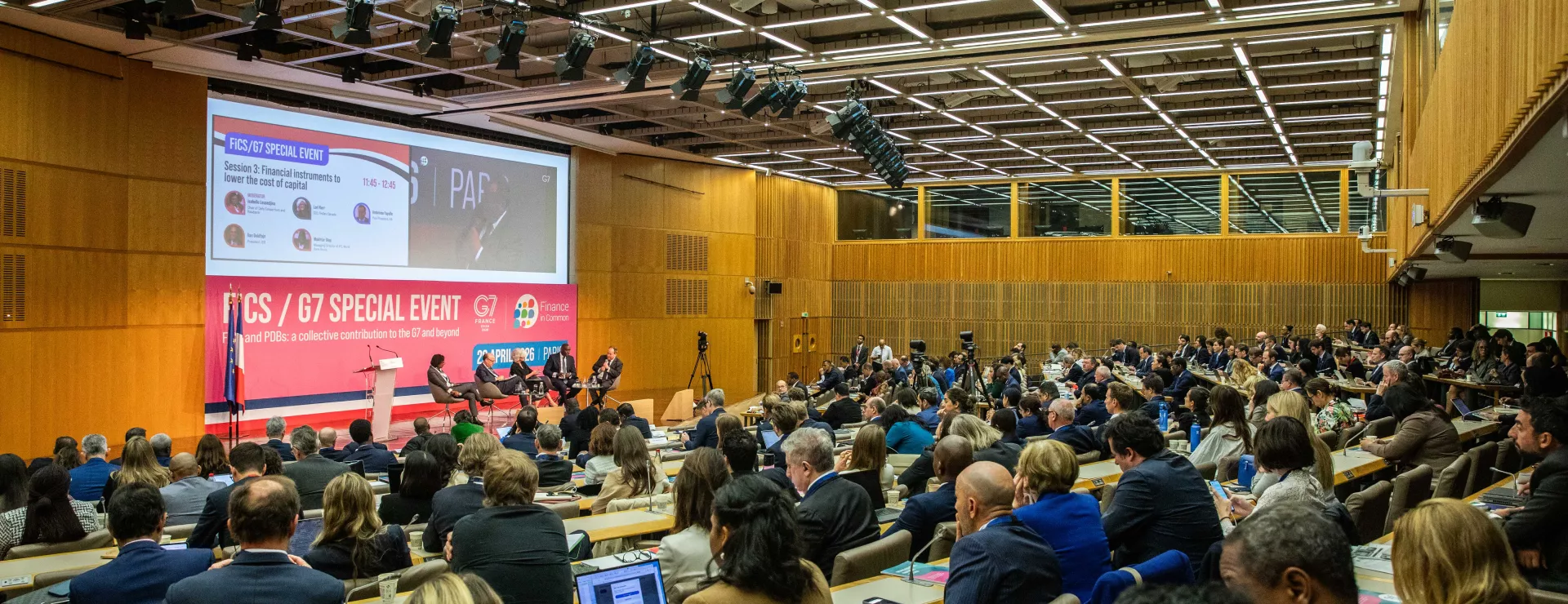
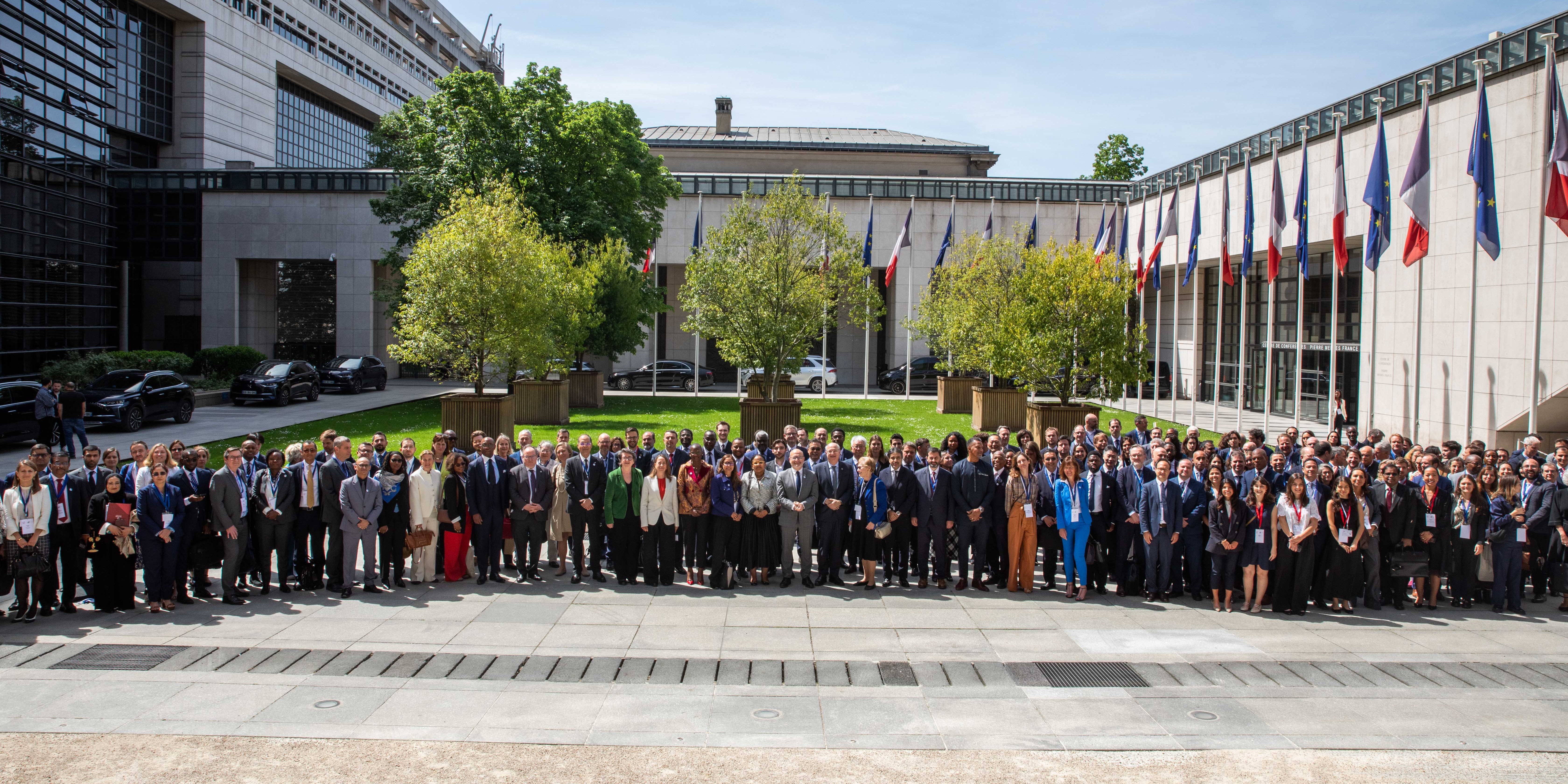
More than 300 leaders and representatives from Public Development Banks (PDBs), international organizations, governments, private sector actors, and civil society gathered in Paris for the FiCS / G7 Special Event, held under the French G7 Presidency.
Organized by Finance in Common (FiCS) alongside the G7 Development Ministerial Meeting, the event aimed to advance a collective contribution from Public Development Banks to the G7 and other international forums at a time of growing fragmentation in the international financial architecture and increasing pressure on development finance.
Discussions focused on the role of Public Development Banks in mobilizing private capital, strengthening coordination across institutions, and scaling innovative financial instruments capable of accelerating sustainable development and climate action.
This article looks back at the key discussions, deliverables, and outcomes of the event.
A global context calling for stronger coordination
Launched in 2020 at the initiative of the President of the French Republic and the United Nations Secretary-General, the Finance in Common (FiCS) movement has become the first coalition of Public Development Banks (PDBs). Today, it brings together more than 540 multilateral, regional, national, and local development banks representing nearly USD 23 trillion in assets (around 10% of total annual investment) alongside a wide ecosystem of partners.
In a context marked by the growing fragmentation of the international financial architecture, the contraction of official development assistance, and increasing financing needs linked to the Sustainable Development Goals, PDBs are emerging as central actors in structuring a more effective, coordinated, and implementation-oriented response. Brought together within FiCS, they play a decisive role in strengthening investment capacities, mobilizing private capital, and supporting sustainable transitions in line with national priorities.
The French G7 Presidency in 2026, whose highlight will be the Evian Leaders Summit, is fully aligned with this dynamic. Its second strategic pillar, dedicated to strengthening international partnerships with developing countries, notably aims to rethink the framework of development assistance, reduce the fragmentation of international financing, and maximize the catalytic effect of public resources on private capital.
It is within this context that FiCS organized a special event intended to bring forward a collective contribution from Public Development Banks to the French G7 Presidency as well as to other major international forums, such as the the UN or the BRICS. The main objective: to demonstrate that Public Development Banks are an essential pillar of a renewed multilateralism, capable of accelerating the implementation of development, climate, and economic sovereignty priorities.
A high-level gathering to advance the G7 agenda on development finance
Organized on 29 April 2026 at the Ministry of the Economy in Paris, the event brought together nearly 300 in-person participants (and close to 150 online participants), including high-level representatives from multilateral, regional, and national Public Development Banks, international organizations, as well as actors from the private sector and civil society.
The event was structured around three high-level discussions, framed by opening and closing sessions involving representatives of the French G7 Presidency.
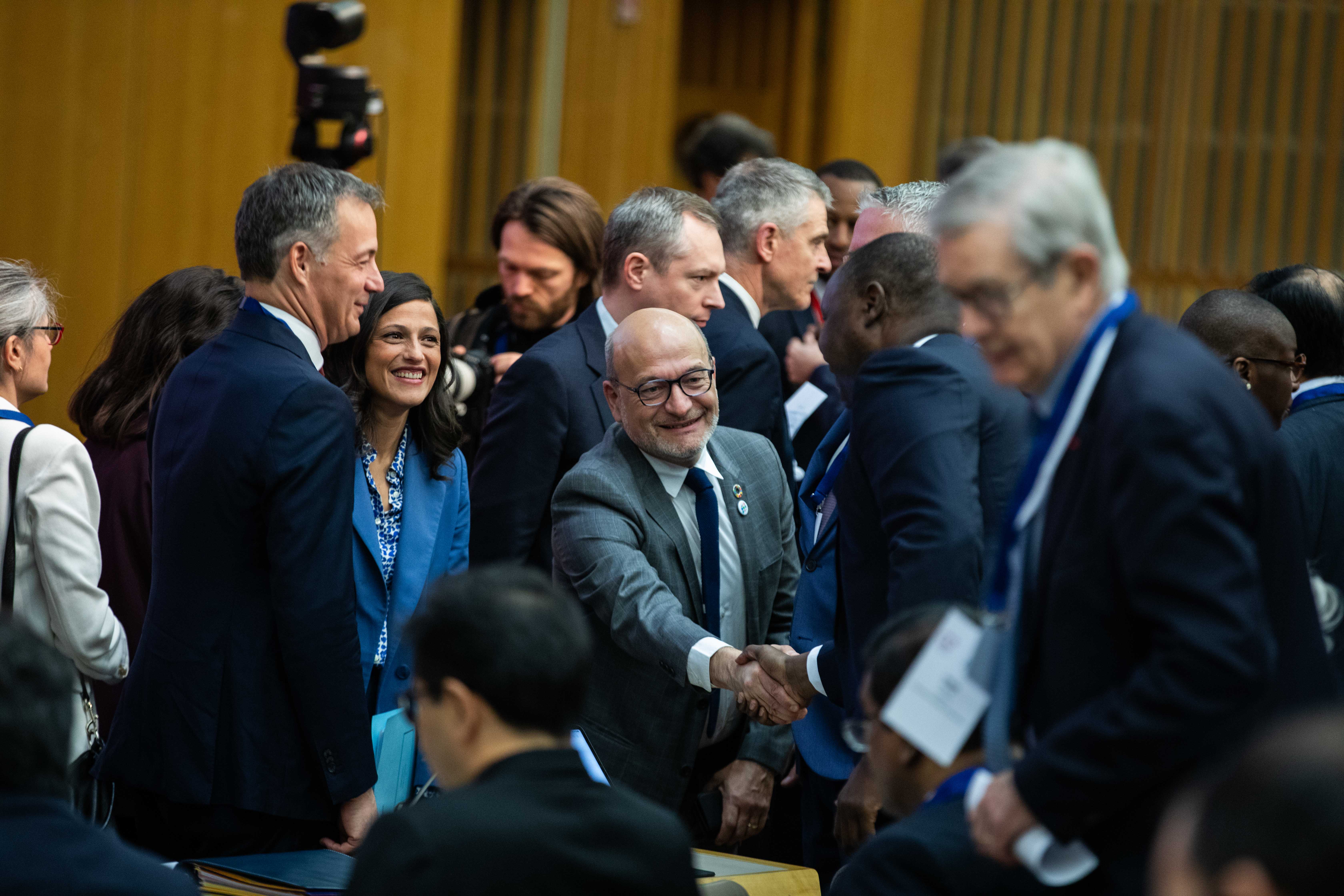
The opening sequence featured remarks by Mr. Rémy Rioux, Chairman of Finance in Common, Mr. Alexander De Croo representing the United Nations Development Programme (UNDP), Ms. Éléonore Caroit, French Minister Delegate for Francophonie, International Partnerships and International Development, and Mr. Mathias Cormann, Secretary-General of the OECD.
The closing session brought together Mr. Bertrand Dumont, Director General of the French Treasury, Mr. Seong-Wook Kim, Chief Partnership Officer of the Asian Development Bank (ADB), and Dr. Shaji Krishnan, Chairman of the National Bank for Agriculture and Rural Development (NABARD), helping connect the day’s discussions with both the priorities of the French G7 Presidency and ongoing reflections linked to the BRICS and the next Finance in Common Summit in Asia.
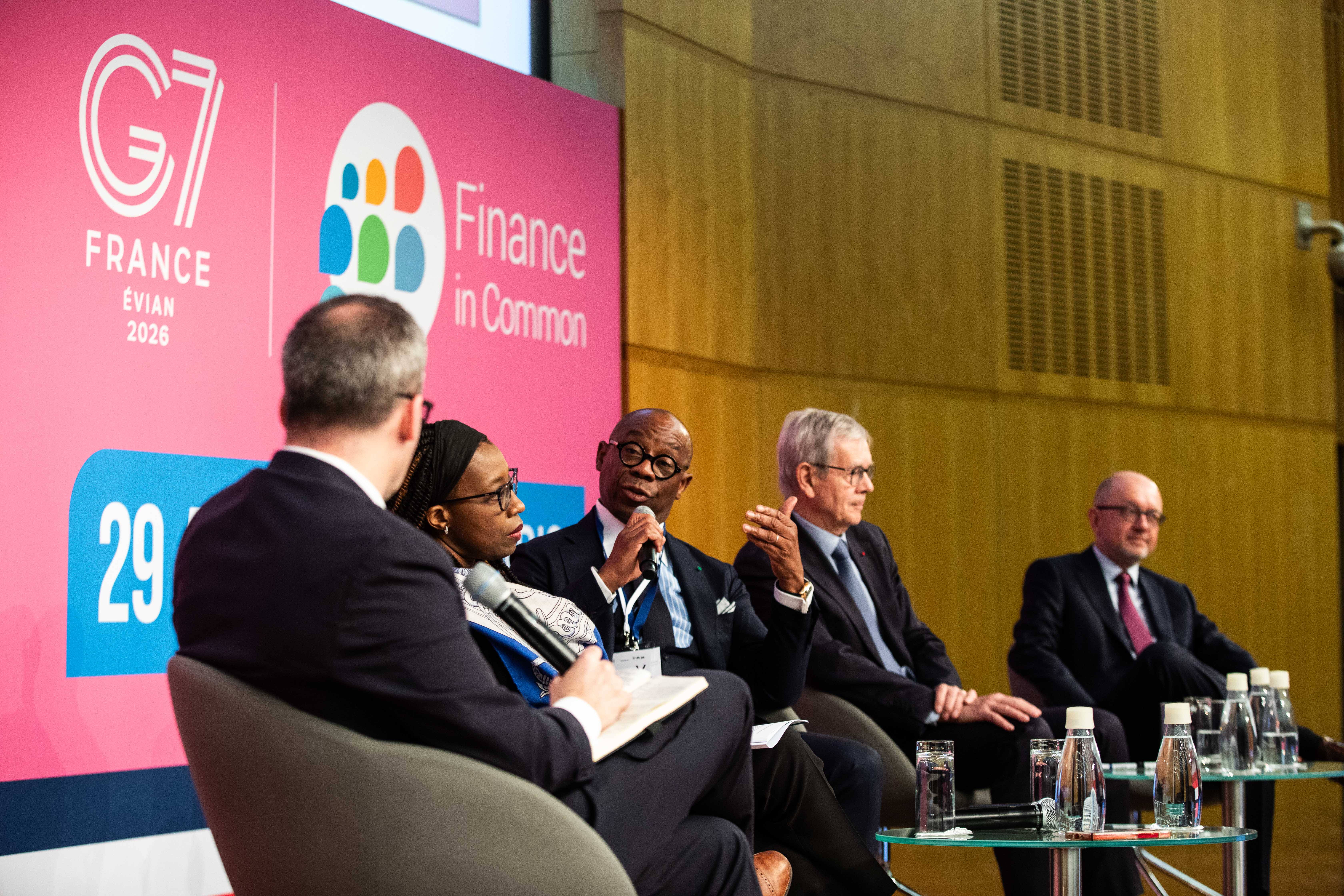
- Session 1: Working as a System: This session examined the conditions required to strengthen financial and institutional interoperability between multilateral development banks, national development banks, and vertical funds in order to build a more integrated and effective PDB system. It addressed how Public Development Banks could be better recognized as a distinct and credible asset class within the global financial architecture. Speakers notably included Dr. Sidi Ould Tah, President of the African Development Bank Group, Mr. Fahad Al-Sulaiti, Director General of the Qatar Fund for Development, Dr. Alvaro Lario, President of IFAD, and Ms. Boitumelo Mosako, CEO of the Development Bank of Southern Africa (DBSA).
- Session 2: Regulatory Frameworks as Catalysts: This session addressed the regulatory and supervisory conditions necessary to mobilize capital in favor of Public Development Banks. It examined the role of rating agencies, prudential frameworks, and climate-related financial regulation in determining the cost of capital and the investment capacity of PDBs. Discussions notably brought together Mr. Serge Ekué, President of BOAD and Chairman of IDFC, Dr. Vera Songwe, founder of the Liquidity and Sustainability Facility, Mr. Philippe Varin, Chairman of the International Chamber of Commerce, and Mr. Yann Le Pallec, President of S&P Global Ratings.
- Session 3: Financial Instruments to Reduce the Cost of Capital: This session focused on the financial tools and innovations needed to transform systemic recognition into effective capital mobilization. It explored how Public Development Banks can collectively reduce the cost of capital by deploying innovative instruments at scale capable of mobilizing private investment. Discussions were notably introduced by Mr. Ilan Goldfajn, President of the Inter-American Development Bank (IDB), Mr. Makhtar Diop, Managing Director of the International Finance Corporation (IFC), Ms. Lori Kerr, CEO of FinDev Canada, and Mr. Ambroise Fayolle, Vice-President of the European Investment Bank (EIB).
Two networking moments, during lunch and at a cocktail reception held at the Ministry for Europe and Foreign Affairs in the presence of the Ministry’s Secretary General, allowed participants to continue discussions in a more informal setting. A press release was also issued during a press conference gathering nearly twenty national and international journalists.
Strengthening the FiCS platform and ecosystem
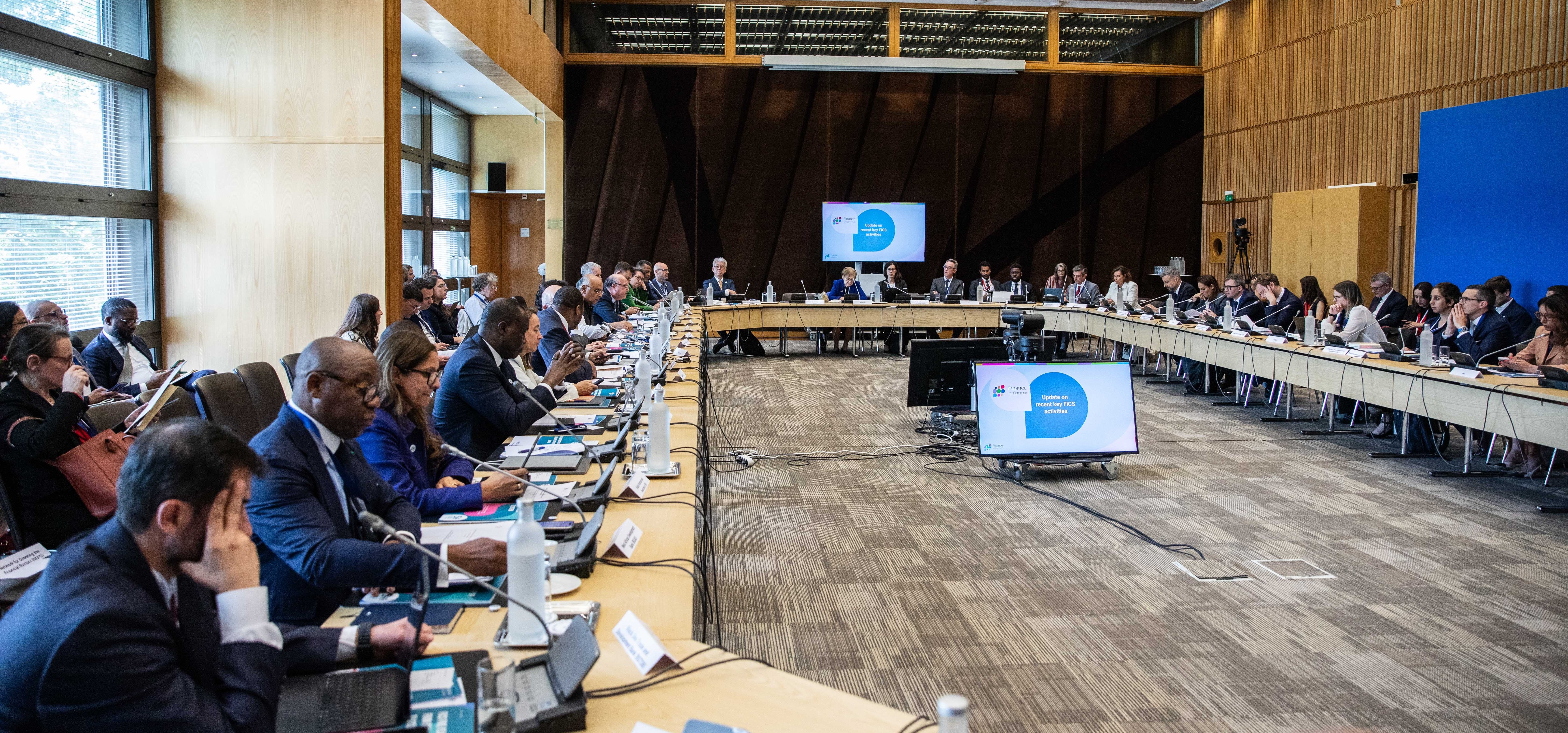
A closed-door meeting of the FiCS Executive Committee was also held in the afternoon. The objectives of this meeting were to:
- provide an update on FiCS’ main recent activities, including the upcoming FiCS global Summit in Q1 2027 in Asia with the Asian Development Bank;
- and gather participants’ feedback on the roadmap for the structuring of FiCS.
Based on the strategic note “A Strategic Roadmap to Consolidate Finance in Common (FiCS),” a large majority of members expressed their support for the institutionalization of FiCS and its transformation into an autonomous entity, while insisting on the need to preserve a light, inclusive governance model close to the current one. Several participants also underlined the importance of strengthening engagement with the private sector, philanthropies, and civil society.
Continuing the discussions at the Élysée Palace
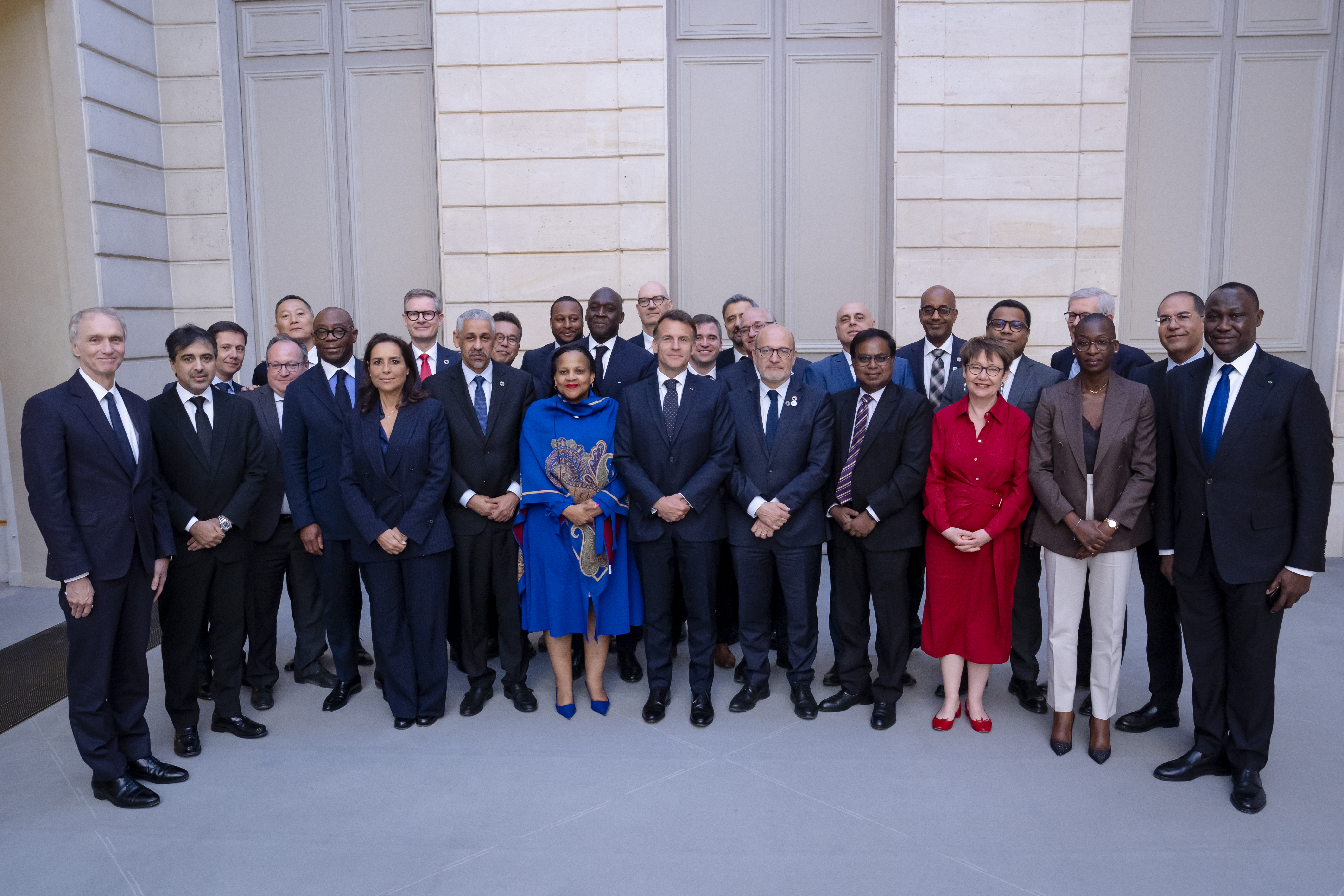
Finally, a breakfast gathering bringing together around thirty FiCS members was held at the Élysée Palace on the morning of 30 April, in the presence of the President of the Republic of France accompanied by the Minister of Economy and Finance.
This breakfast made it possible to:
- mobilize FiCS members around key investment issues (particularly in Africa) and their financial innovation capacities (notably regarding the global guarantees architecture), as well as mobilize private sector actors;
- showcase the efforts of Public Development Banks to contribute to a more effective international financial architecture; and
- exchange on implementation perspectives in connection with France’s role at the Africa Forward Summit in Nairobi and later at the G7 Summit in Evian.
Key deliverables presented during the event
A collective contribution to the French G7 Presidency and international forums
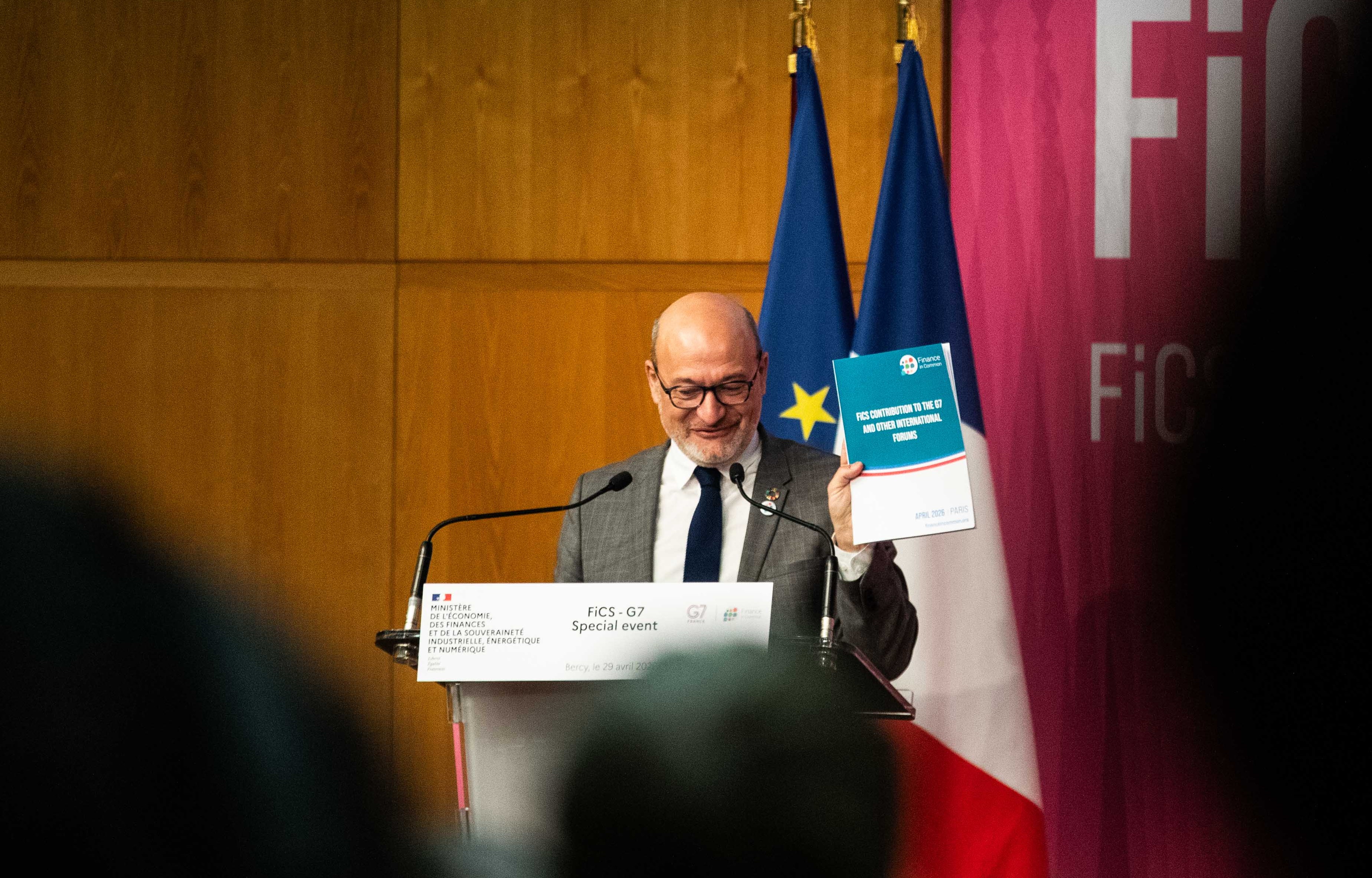
A report presenting a set of principles for the French G7 Presidency and other international forums was presented. Developed from contributions by more than 50 institutions, this paper constitutes a unified contribution containing numerous concrete proposals to rethink the functioning of development finance.
It underlines that Public Development Banks are no longer peripheral actors, but now represent an essential pillar of a renewed multilateralism capable of delivering tangible results.
This paper highlights four structuring proposals:
- Promote a global PDB system to broaden and strengthen multilateralism;
- Systematically develop the country platform model by mobilizing national development banks whenever possible, in order to structure dialogue, generate more quality projects, combine financial flows, and measure results transparently;
- Redefine development finance around a dual mandate;
- Encourage the development of new collaborative and innovative instruments, as well as the adaptation of PDB regulatory frameworks.
Announcing the selected projects of Cycle 2 of the FiCS Innovation Lab
The beneficiaries of the second cycle of the FiCS Innovation Lab were also announced. This incubator aims to support the development of innovative, replicable, and high-leverage financial instruments for Public Development Banks.
Among the selected initiatives:
- Development Finance Corporation Belize will develop a Livelihood Protection Policy for MSMEs, combining parametric climate insurance with lending and technical support to improve resilience to climate shocks.
- Nigeria’s National Agricultural Development Fund will design a blended finance facility to scale agricultural lending, using concessional capital, risk-sharing tools, and incentives to mobilise private investment.
- The Bank of Bhutan and Bhutan Climate Fund are to develop a carbon-linked bond to channel capital into climate projects through performance-based financing structures..
Presenting the strategic roadmap for the consolidation of FiCS
The third major deliverable is the strategic roadmap intended to define the orientations for the next phase of development of the initiative.
This document reviews the first five years of FiCS and proposes a roadmap for its institutional consolidation, notably regarding governance, economic model, and programmatic priorities.
This sequence also provided the opportunity to announce that FiCS has officially been established, since March 2026, as a French non-profit association.
This development marks a major milestone in the institutionalization of the initiative, granting it a legal personality of its own and enabling it to diversify its partnerships and strengthen its operational capacity in support of all Public Development Banks and their partners.
Relive the event
Revisit the key moments of the FiCS / G7 Special Event through the replay, and through our LinkedIn wrap-up posts featuring session highlights and event photos.
Useful links:
- Watch the full replay on YouTube
- Explore session highlights and event photos on our LinkedIn account
- Read the FiCS contribution to the G7 report
- Read the official press release
- Discover the selected projects of Cycle 2 of the FiCS Innovation Lab